Product line
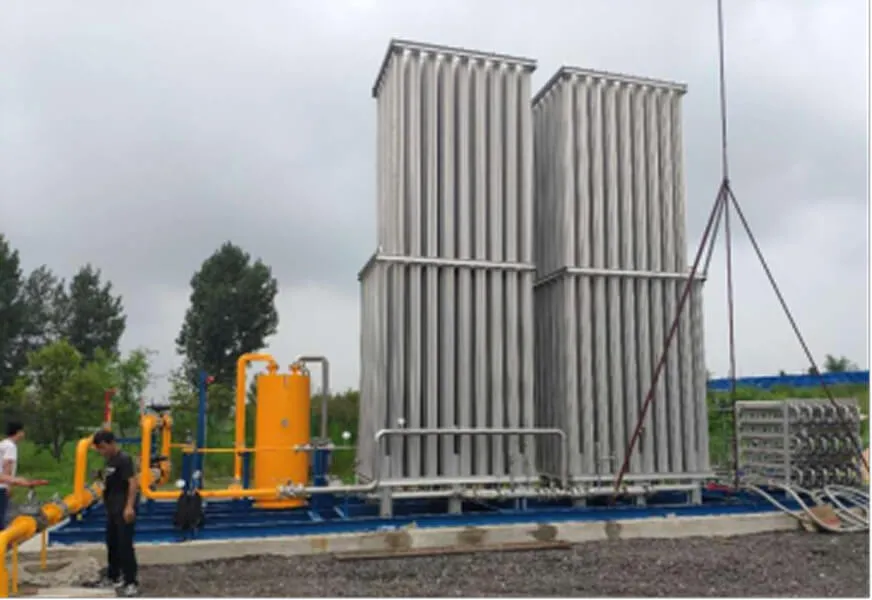
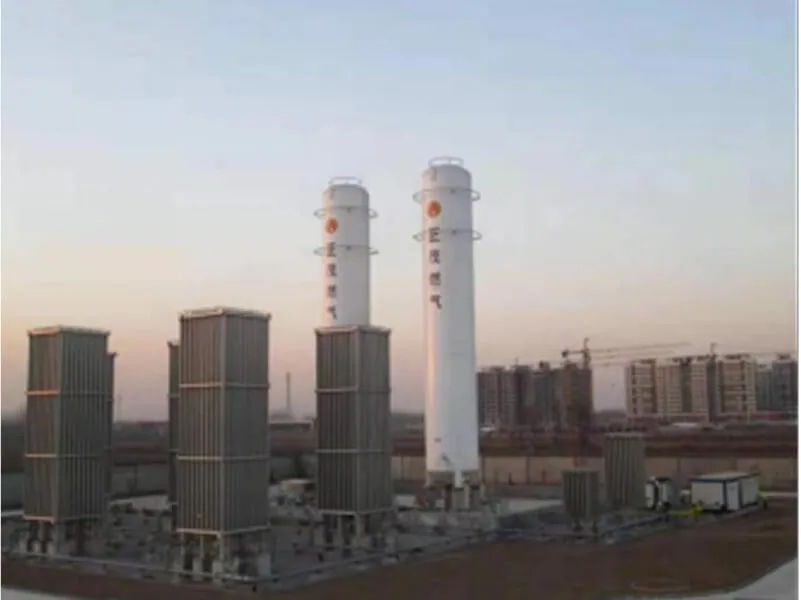
LNG vaporization equipment and regasification skids
Storage, vaporization, pressure regulation, metering and control on one skid — sized to your peak gas flow, outlet pressure and site temperature, then built and tested at our Tianjin plant.
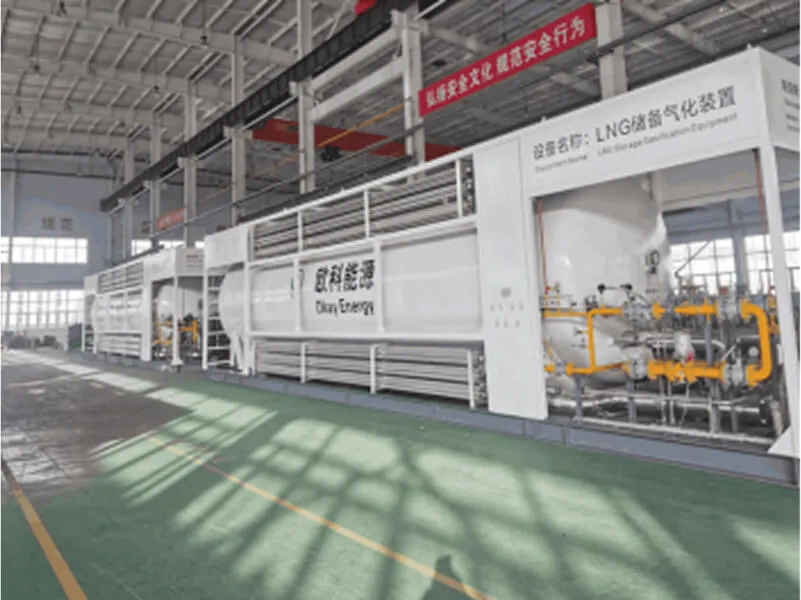
What the skid integrates
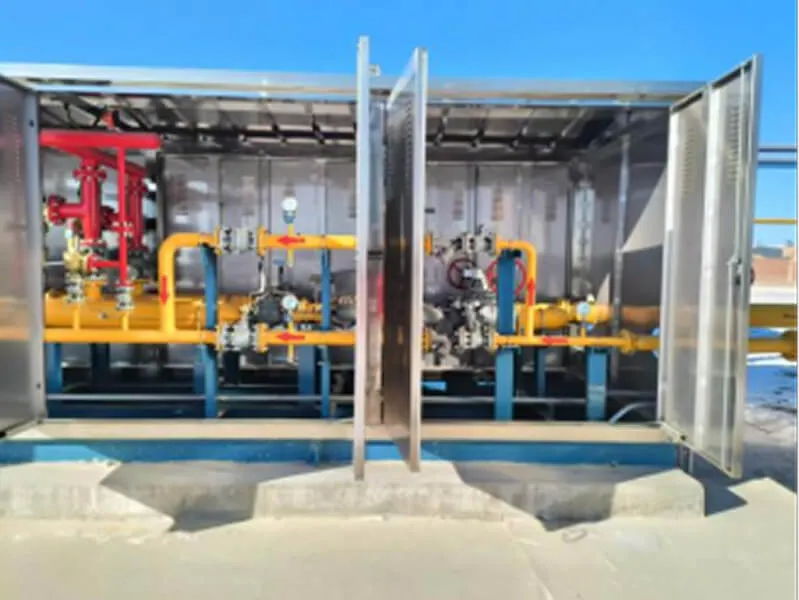
Converting liquid LNG at −162 °C into usable gas takes more than a vaporizer. The skid-mounted system brings storage, vaporization, pressure regulation, metering and control together, which saves on-site construction time and cost and lets the unit be moved between sites.
- Finned-tube heat exchange designed to limit the efficiency loss caused by frosting on conventional vaporizers
- Control system that adjusts flow and pressure for ambient temperatures from −40 °C to 50 °C
- Capacity designed individually, from small vaporizing units to large receiving stations
- Remote operation and maintenance platform for real-time equipment data and early warning
Safety design
Three layers sit between the cryogenic liquid and your process:
- Low-temperature material selection to prevent brittle cracking
- Redundant pressure monitoring
- Emergency cut-off system
Applications
- LNG satellite stations: Vaporize liquefied natural gas to provide a gas source for areas not yet covered by the natural gas pipeline network, connected to downstream pressure regulation and metering systems.
- Industrial boiler gas supply: Vaporization capacity is configured according to the boiler's normal gas consumption, peak load and continuous operating time to meet fuel supply needs.
- Fuel supply for gas-fired power generation: Convert cryogenic liquid fuel to gas and, together with downstream treatment equipment, meet the inlet pressure and temperature requirements of the generating units.
- Peak-shaving supplementary supply: Use liquid fuel reserves to cover short-term gas supply gaps, with storage and vaporization capacity configured according to the duration of the peak.
- Temporary and mobile gas supply: For phased projects or temporary gas points; the equipment form is selected according to transport conditions, site interfaces and installation space.
- Continuous supply in low-temperature seasons: Where low temperature and frosting affect the capacity of ambient air vaporizers, alternating operation or supplementary heating schemes are evaluated to meet continuous gas demand.
Delivery scope
We supply the equipment as an EPC package when required: equipment design, manufacturing, installation and commissioning, and personnel training.
Design data
| LNG temperature | −162 °C |
|---|---|
| Ambient temperature range | −40 °C to 50 °C |
| Capacity | Designed per project |
| Reference: Thailand station, 30 m³ tank | 450 Nm³/h gasification, 0.1–0.3 MPa adjustable outlet, 200 Nm³/h unloading vaporizer, Siemens PLC |
| Reference: Thailand station, 60 m³ tank | 600 Nm³/h gasification, 0.1–0.3 MPa adjustable outlet, 200 Nm³/h unloading vaporizer, Siemens PLC |
Reference rows are taken from the Thailand project page.
FAQ
Is the rated flow the same when one vaporizer is used for LNG and for liquid nitrogen?
Not necessarily. Different media have different physical properties and require different amounts of heat to vaporize. Rated capacity should be verified for the specified medium, inlet conditions, ambient conditions and outlet requirements.
Why can't winter sizing rely on the catalogue flow rate alone?
Ambient air vaporizers rely on heat from the environment. Ambient temperature, humidity, the degree of frosting and the continuous operating time all affect available capacity. For sizing, please provide the site's minimum temperature and the actual gas consumption periods.
Does frosting affect continuous gas supply?
Frosting may reduce heat transfer capacity. For projects with continuous gas demand, alternating operation of multiple vaporizers or supplementary heating equipment can be evaluated; the specific switching conditions are determined by the process design.
How do I choose between ambient air and water bath vaporizers?
Ambient air vaporizers use heat from the environment; water bath vaporizers transfer heat to the cryogenic medium through a water bath. The choice should take into account the local climate, available heat sources, outlet temperature and load duration.
Does the vaporization equipment include the storage tank, pressure regulation and metering systems?
The scope of supply differs between a stand-alone vaporizer and a complete gas supply station. When confirming the project, the configuration and interfaces of the storage tank, vaporizer, heater, pressure regulating and metering system and control system should be clearly defined.
What information is needed for sizing?
Medium and composition, minimum and peak gas consumption, inlet and outlet pressure, required outlet gas temperature, site ambient conditions, continuous operating time and available heat sources.
Gallery
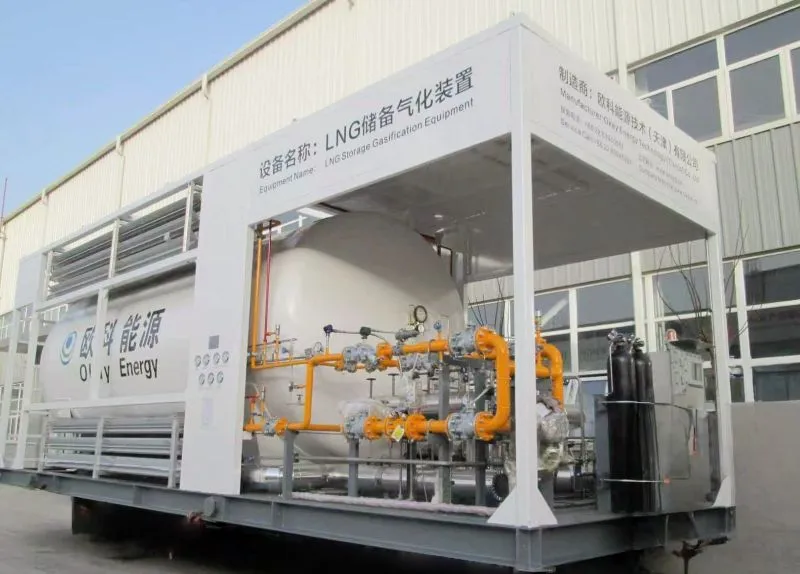
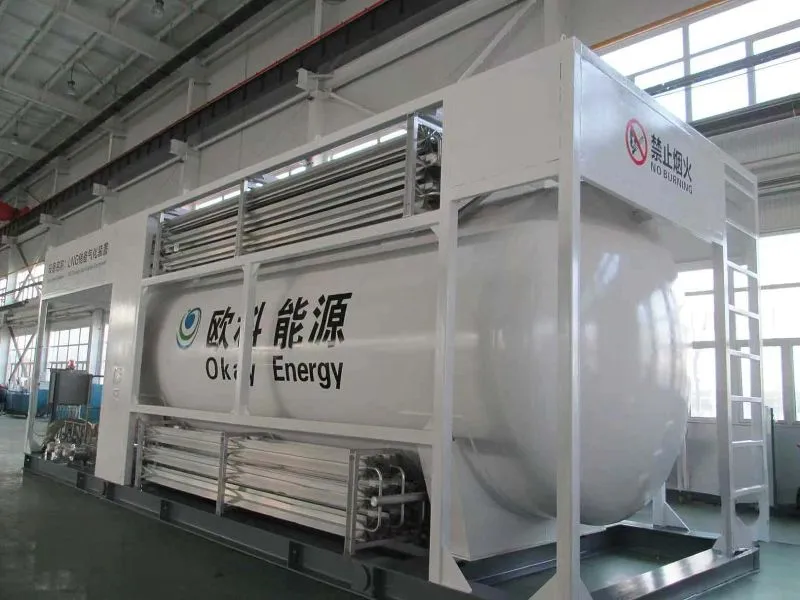
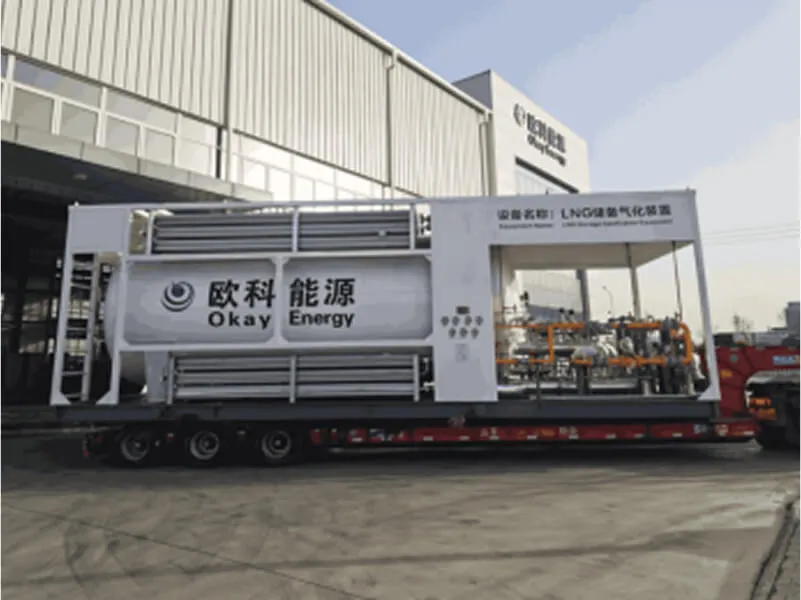
Equipment photographs
Tell us your gas, flow and pressure.
We come back with a configuration and quotation basis for your conditions.